
Website testing helps Shopify store owners move beyond opinions and discover what real customers experience while browsing, choosing a product, and checking out.
A store can look polished and still lose sales through unclear product information, difficult mobile interactions, slow pages, broken tracking, or unexpected checkout friction. Effective testing brings these barriers into view so your team can make focused improvements instead of changing the site at random.
This guide explains how website testing supports Shopify conversion rate optimization, which methods to use, and how to turn what you learn into a practical conversion optimization strategy.
Why Website Testing Matters for Conversion Rate Optimization
Conversion rate optimization starts with understanding why qualified visitors do not complete the action you want. Analytics can show where people leave, but the number alone rarely explains what happened. Website testing connects behavior to context: what the visitor saw, expected, misunderstood, or could not do.
For a Shopify store, that might mean discovering that delivery information appears too late, a product variant is hard to select on mobile, or a key trust message is hidden below the purchase decision. These are specific problems with specific remedies—not a reason to redesign the entire store.
The purpose of CRO testing is not to generate more changes. It is to make better decisions about which changes deserve your time and development budget.
This evidence-led approach is central to professional Shopify CRO services. It reduces guesswork and creates a clearer link between customer behavior, the improvement made, and the result.
User Testing vs. Usability Testing
The terms overlap, but they answer slightly different questions:
- User testing explores how people respond to a concept, message, page, or journey.
- Usability testing watches whether people can complete a defined task easily and correctly.
Imagine asking a shopper to find a skincare product for sensitive skin, choose the correct size, and reach checkout. User testing can reveal whether the range and value proposition make sense. Usability testing can expose a confusing filter, a missed size selector, or an add-to-cart button that is difficult to use.
Both methods contribute to ecommerce UX optimization. The most useful sessions involve realistic tasks, participants who resemble the intended customer, and neutral prompts that do not tell the person what to do.
How to Build a Website Testing Framework
A repeatable framework prevents a testing program from becoming a list of disconnected ideas.
- Define the business outcome. Choose purchases, qualified leads, profit, or another meaningful result.
- Map the customer journey. Record each important step from landing page to completed purchase.
- Check measurement. Confirm events, revenue, devices, and funnel reports are being recorded accurately.
- Collect evidence. Combine analytics, recordings, surveys, support questions, and usability observations.
- Prioritize barriers. Consider likely impact, confidence in the evidence, and effort required.
- Choose the right test. Use an experiment only when the traffic and decision justify one.
- Document the learning. Record the hypothesis, method, outcome, limitations, and next action.
A structured Shopify store audit can establish this baseline by finding gaps in the journey before your team starts CRO testing.
What Website Testing Reveals About Customer Behavior
Testing can reveal the difference between what a page says and what visitors understand. It may show that shoppers compare products in an unexpected order, overlook a guarantee, misunderstand a subscription, or hesitate because a shipping question remains unanswered.
Look for recurring signals rather than isolated comments:
- Repeated hesitation before an important click.
- Questions that the page should already answer.
- Visitors moving back and forth to compare information.
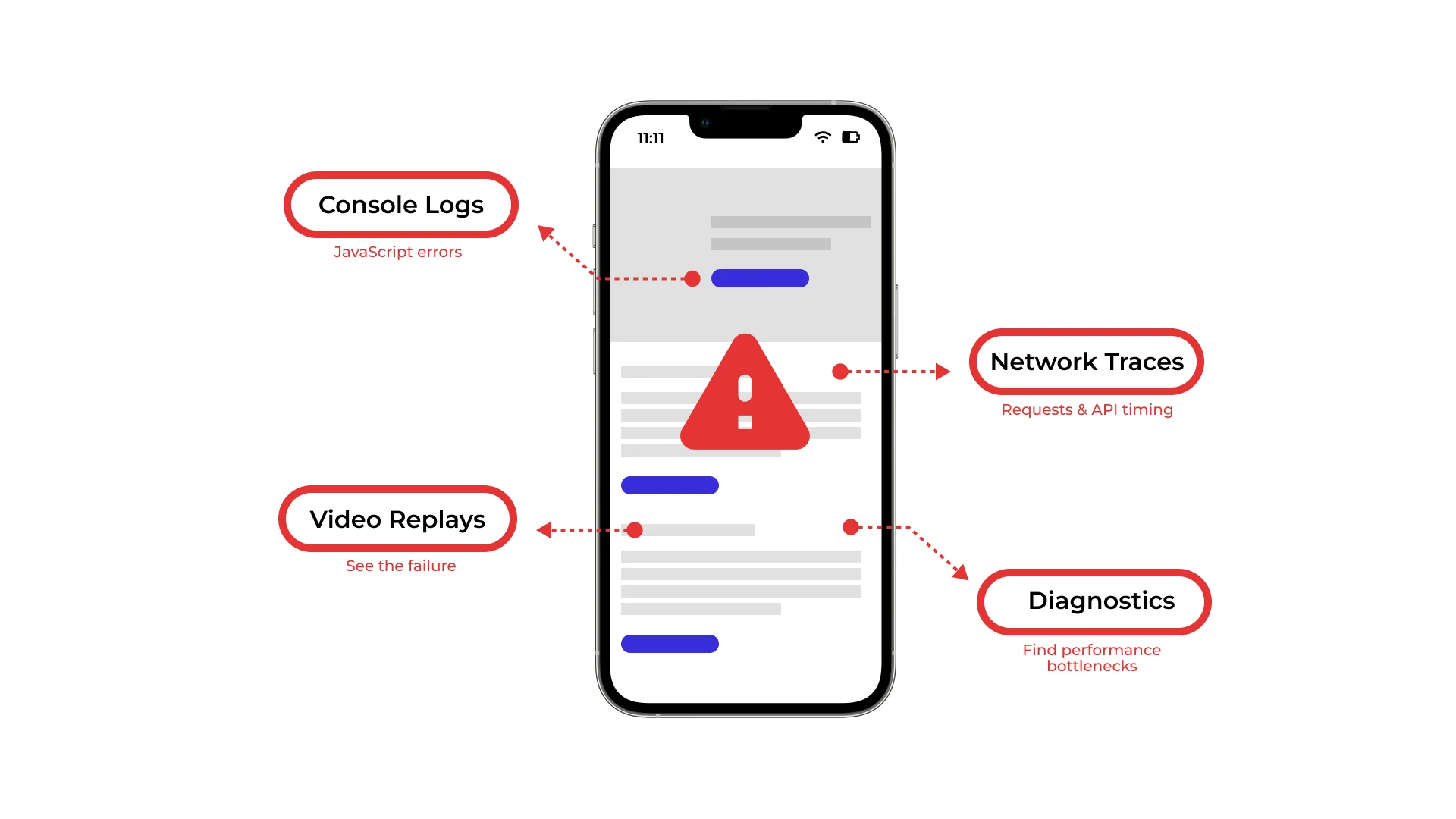
- Dead clicks, form errors, and failed interactions.
- A consistent exit point within the conversion funnel.
These observations do not automatically prove which solution will work. They create a stronger hypothesis for conversion testing and help your team identify the evidence needed next.
How to Find Conversion Barriers on Your Website
Start with the pages and transitions closest to revenue. Review landing pages, collection pages, product pages, cart, and checkout as one connected journey—not as separate design screens.
For each step, ask four practical questions:
- Clarity: Does the visitor understand the product, offer, and next step?
- Motivation: Is there enough relevant value to continue?
- Confidence: Are proof, policies, delivery, and risk information available when needed?
- Ease: Can the action be completed without errors, delay, or unnecessary effort?
Compare what you find with funnel data. A high product-page exit rate, for example, becomes more useful when recordings and user testing show that customers cannot find sizing details. That combination supports a focused product page CRO hypothesis.
Mobile Website Testing for Better Conversions
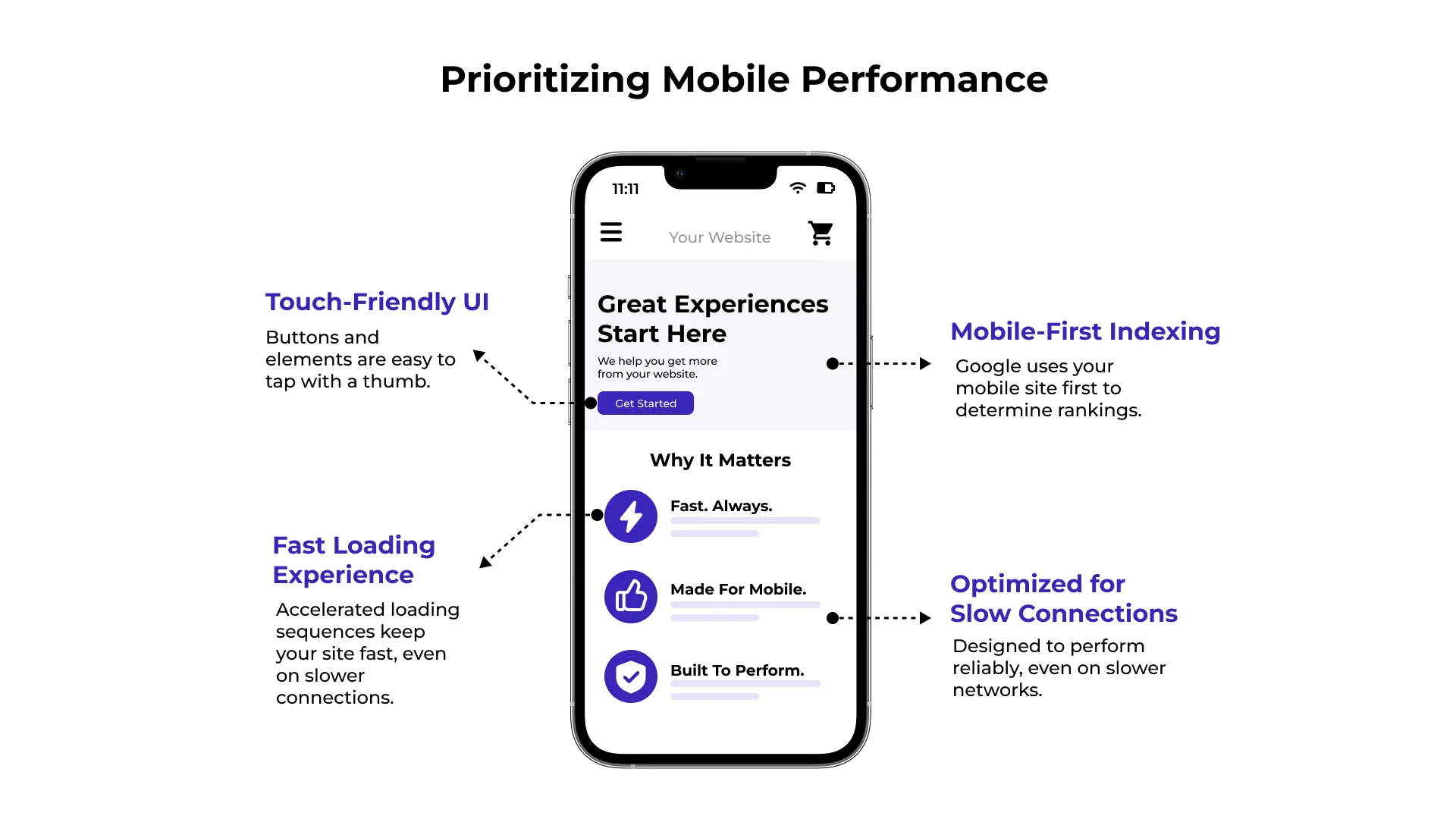
Mobile testing is not simply a smaller desktop review. Shoppers use thumbs, switch between apps, encounter changing network conditions, and view less information at once. Test with physical devices where possible, not only a resized browser window.
Check whether:
- Tap targets are easy to reach and do not overlap.
- Product media, variants, and purchase controls work without layout shifts.
- Essential information appears before long blocks of secondary content.
- Pages remain usable on a slower connection.
- Keyboards, validation messages, and autofill work correctly in forms.
Mobile Shopify website optimization should protect both speed and comprehension. Removing useful content to make a page faster can hurt the decision just as much as a slow page can.
How to Test Shopify Checkout and Conversion Funnels
Review the complete ecommerce journey in sequence:
Conversion funnel optimization means finding where intent weakens and understanding why. Product page tests might examine offer clarity, image usefulness, variant selection, or delivery information. Cart tests might focus on unexpected costs, discount-code distraction, or the path back to shopping.
For Shopify checkout optimization, verify payment methods, field behavior, address errors, express checkout, shipping choices, taxes, and confirmation across devices. Complete real test orders so the whole flow—including analytics and confirmation messages—is checked.
Website Testing Methods for CRO
Different questions require different methods. A useful CRO strategy draws from several sources:
- Analytics and funnel analysis locate drop-offs and segment patterns.
- Session recordings show how individual journeys unfold.
- On-site surveys capture questions and objections in the moment.
- Customer interviews explain needs, expectations, and language.
- Usability testing identifies friction while people attempt realistic tasks.
- Technical testing finds errors, slow requests, device issues, and broken tracking.
- A/B testing compares alternatives when traffic, risk, and measurement support it.
A/B testing is valuable, but it is not the starting point for every store. If traffic is limited, tracking is unreliable, or the issue is an obvious defect, qualitative research or a direct fix may provide a better next step. Our client results show how evidence and implementation work together in practice.
Continuous Conversion Rate Optimization
Shopify conversion optimization works best as a learning cycle rather than a one-time redesign. Customer expectations change, new products alter navigation, campaigns attract different audiences, and platform updates can affect the buying experience.
Keep a shared record of research, hypotheses, decisions, and outcomes. Revisit important journeys after major promotions, theme updates, app installations, and checkout changes. This turns website conversion optimization into an operating habit instead of an occasional project.
Whyte Team combines Shopify CRO, ecommerce optimization, store audits, conversion testing, and customer journey optimization. You can learn more about our approach or request a review when you need an outside view of the store.
Frequently Asked Questions About Website Testing
What is website testing?
Website testing is the structured process of observing, measuring, and comparing how a website works for real visitors. It helps teams find technical issues, confusing experiences, and conversion barriers before deciding what to improve.
What is the difference between user testing and usability testing?
User testing is a broad term for learning how people respond to a website, concept, or journey. Usability testing focuses specifically on whether people can complete important tasks easily, accurately, and without avoidable friction.
What should I test on my Shopify website?
Start with high-impact journeys: product discovery, product pages, add to cart, cart, checkout, and post-purchase confirmation. Test the clarity of your offer, product information, trust signals, mobile experience, speed, and checkout friction.
How can website testing improve conversion rates?
Testing shows where visitors hesitate, misunderstand an offer, encounter errors, or abandon a task. Fixing verified barriers can make the buying journey clearer and improve the chance that qualified visitors complete a purchase.
What is CRO testing?
CRO testing evaluates changes intended to improve a meaningful business outcome, such as purchases or qualified leads. It can include A/B testing, usability studies, surveys, analytics reviews, and controlled experiments.
How do I improve my Shopify conversion rate?
Begin with accurate analytics, then identify the biggest drop-offs in your customer journey. Combine behavioral evidence and customer feedback, prioritize the most important barriers, improve them, and measure whether the change helped.
Can a Shopify store audit improve conversions?
A Shopify store audit can identify usability, messaging, tracking, product-page, and checkout issues that may be limiting conversions. Its value depends on the quality of the evidence and whether the recommended improvements are implemented and measured.